Hiking La Perouse Bay – The Hoapili Trail and Cape Hanamanioa

Getting to La Perouse Bay

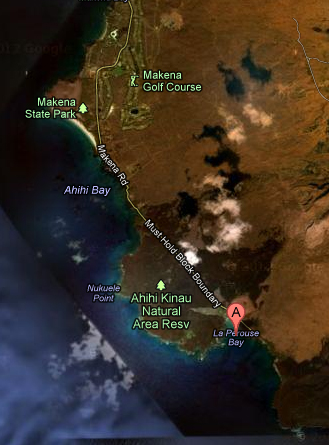
If you drive as far south as possible through Wailea, Makena, and beyond, you come to La Perouse Bay. The drive takes you past Big Beach, through the Ahihi Kinau Reserve, and across a long stretch of lava from the last eruption of Mount Haleakala in 1790. After the manicured beauty of Wailea, the road gets narrower. Later it gets even narrower. Finally, it gets so narrow there are pull outs so cars going in the opposite direction can pass. The last few hundred yards are so bumpy you may want to park before the last turn toward the bay. Look for the horse corral and the stone monument. You can park there or bounce over the last bumps until you get to the water’s edge. It’s about 25 minutes south of Maui Vista.

The Hoapili Trail starts a few yards from the water’s edge on your left as you face the bay. The first portion of the hike is though a lava field. This, and other parts of the trail, need real shoes, not flip flops or sandals. Tennis shoes will do, walking shoes are better.
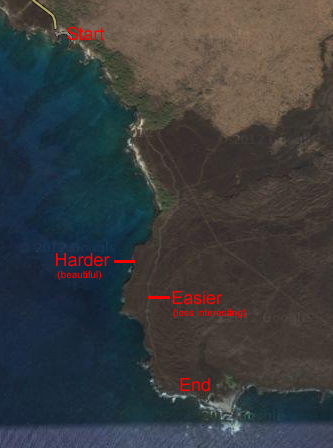
Trail Route

There are cultural artifacts in the lava fields – the lower walls of shelters built by Hawaiians sometime after the 1790 eruption. There’s not much to see, but some people find them interesting.

Look for the a small blow hole about halfway across the lave field. If the tide is high and the surf is up it makes a good splash.

A pretty bay greats you at the end of the lava field. After that you walk under the welcome shade of mesquite trees (locally known as kiawe). Lots of feral goats here. Keep a lookout for a surfer memorial on your right after you’ve walked for 5 or 10 minutes.

As you come out from under the trees you have three choices of route. You can keep on the “road” which will take you to the next shady grove or on to your destination at the end of Cape Hanamanioa. Alternatively, you can turn off the road through the broken wire gate and follow the King’s Highway cross the second lava field until you come to a sign that tells you it was reconstructed in its present form during the first half of the 19th century. If you take this route, turn right at the sign to return to the road or to the second grove. Finally, you can walk along a very rocky beach to the second grove.
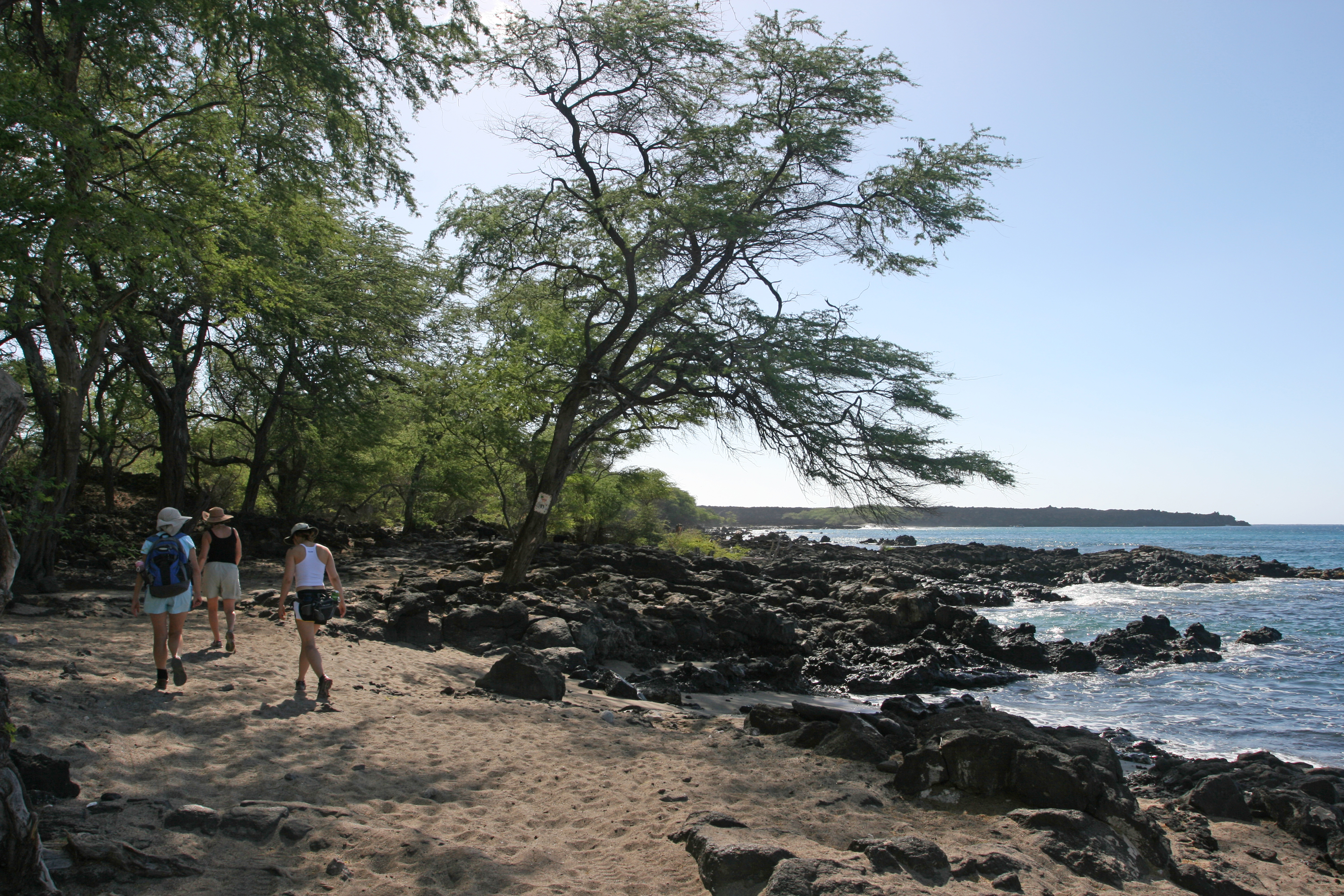
Into the woods

As indicated in the map above, once you get to the second grove, there is an easier and harder route to the end of Cape Hanamanioa. The easier route is fairly boring, with little to see but lava and views in the distance. The harder route takes you along high cliffs over sometimes rough terrain with spectacular views of the bay and beyond. The water is multi-colored shades of crystal clear blue. Sometimes the trail is hard to find. Persevere, the rough parts lead to an actual trail.
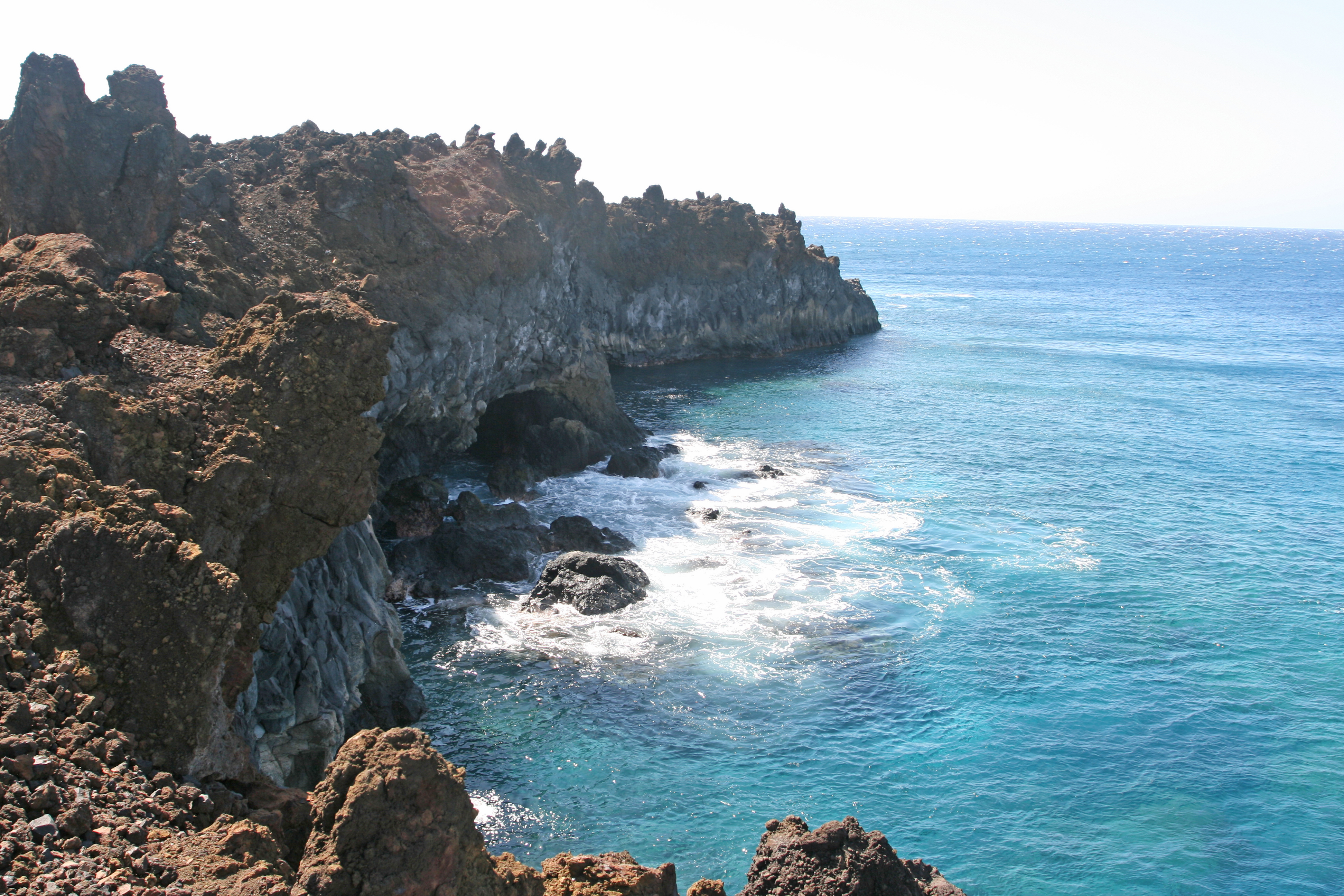
Views from the coastal trail

It’s often very windy at the end of the cape – hold onto your hat. One way distance from start to finish is about 1.25 miles. It will take you longer than you think.

From the end of the cape you can return or follow more trails (for miles) onto new coves, beaches and interesting sights. Enjoy.
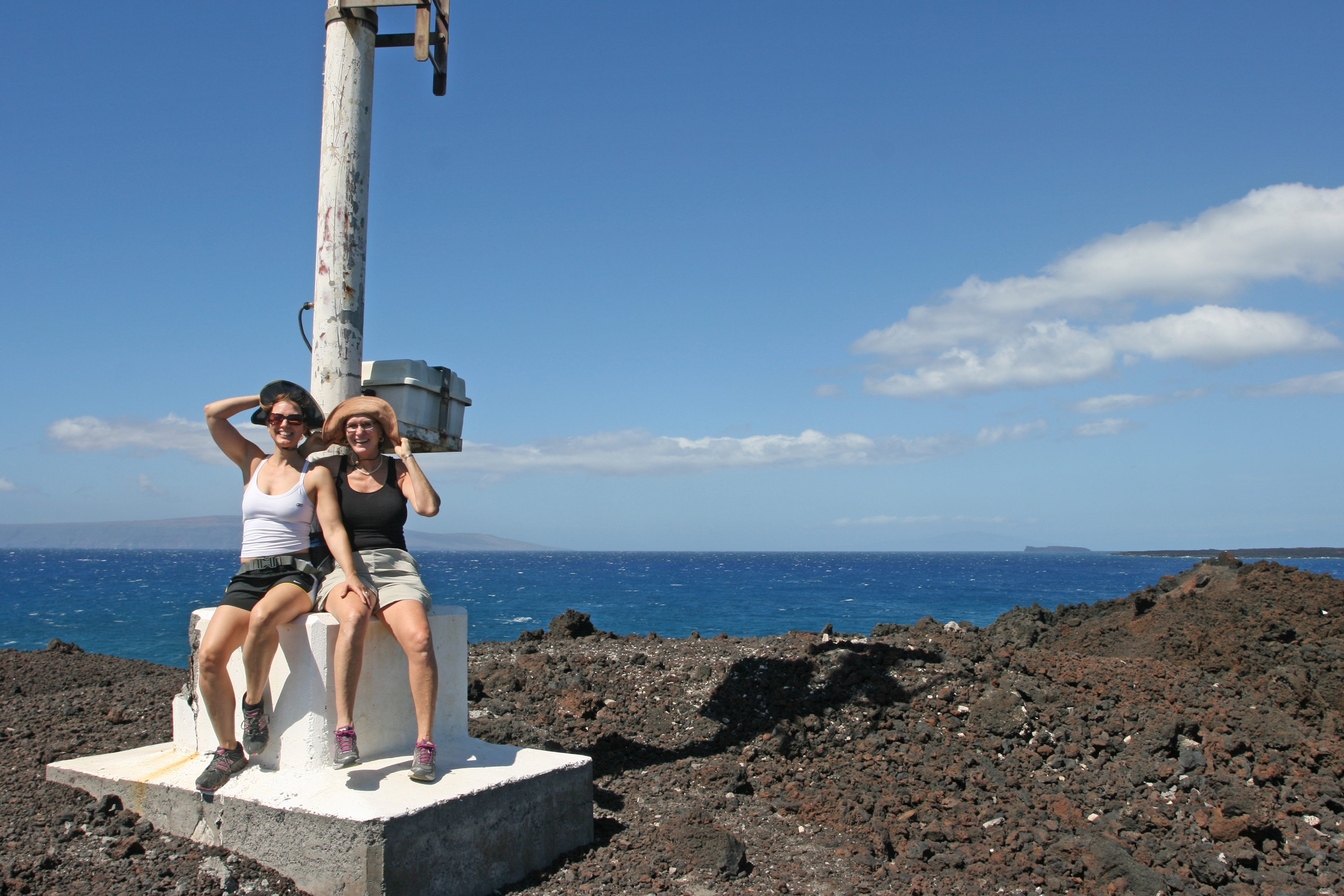
Hang onto your hat at the end of the trail
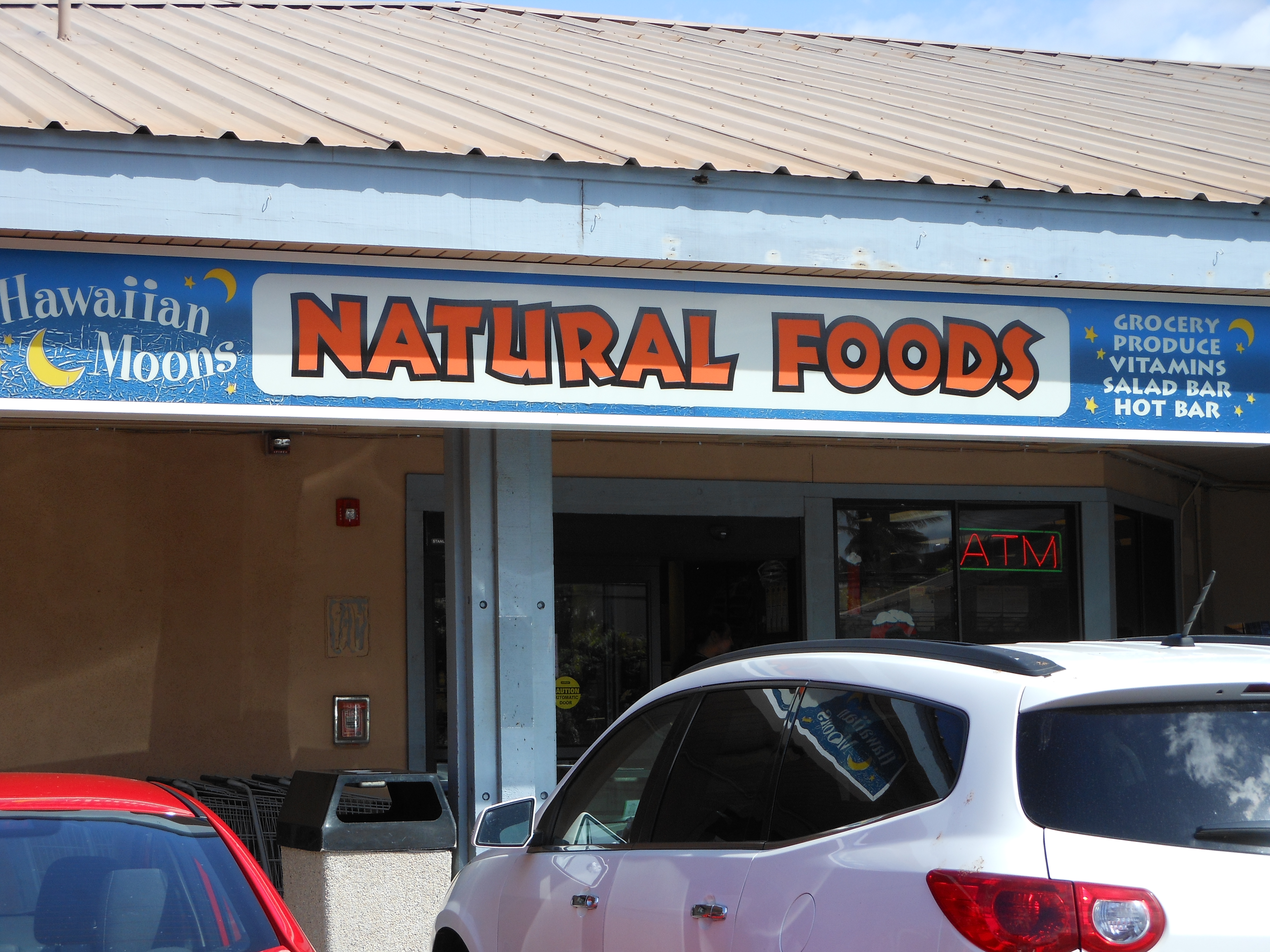
Hawaiian Moons Natural Foods Store

Do you prefer to eat local organic food? Are you vegan or do you have food intolerances such as wheat/gluten/dairy? Do you want to save money by buying just the right quantity in bulk foods rather than a whole jar or package of something? Perhaps you are looking for a good selection of Hawaiian Sea Salt. If so, Hawaiian Moons Natural Foods is the place for you.

Just a few minutes walk south of Maui Vista 2418, Hawaiian Moons is located at 2411 S. Kihei Road and has a nice selection of local produce, organic meats and bulk foods. They also have a hot lunch bar and an extensive supply of dietary supplements and natural remedies.

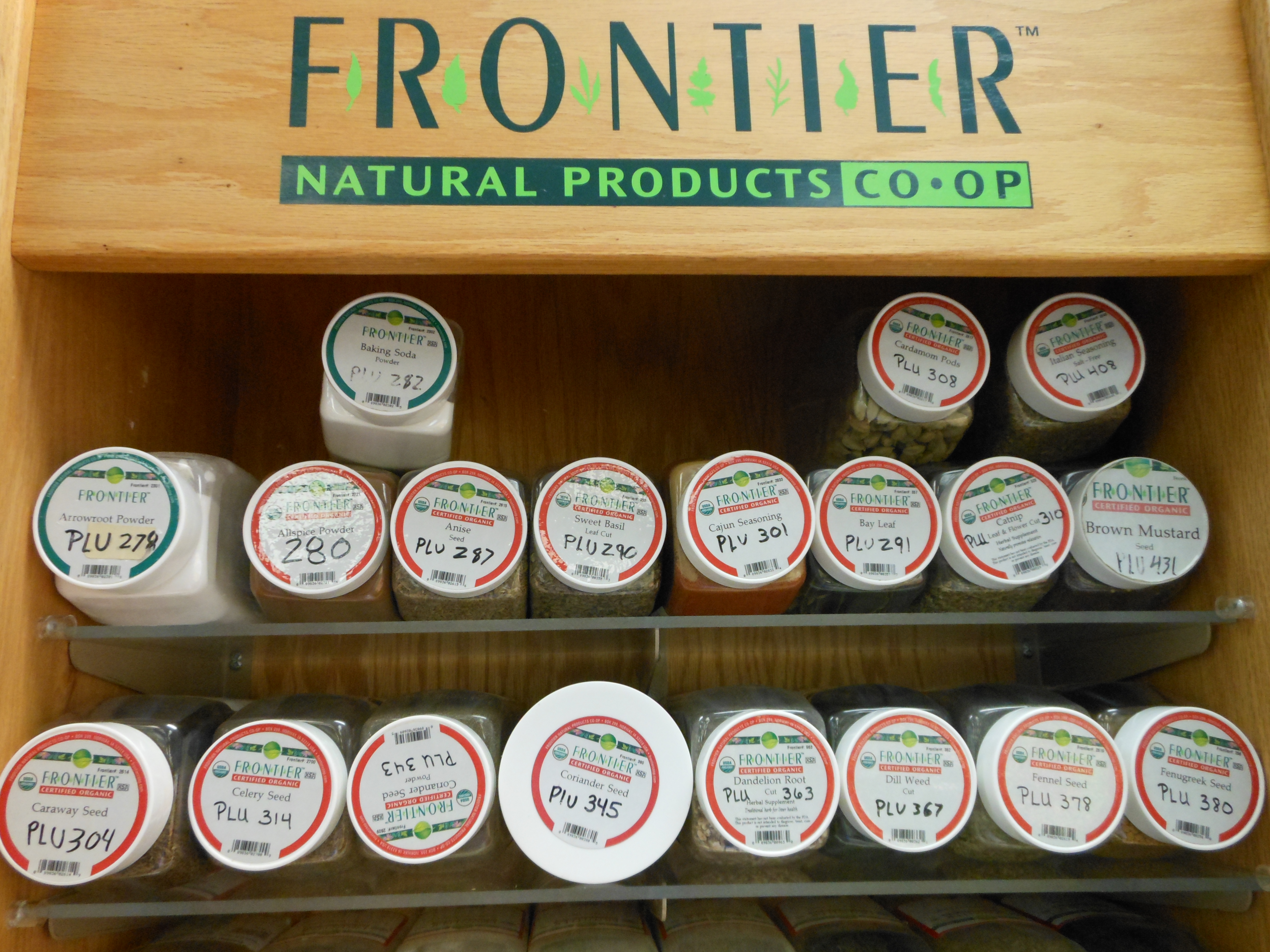
Bulk Spices

Although we provide a fairly extensive carousel of spices at our condo, you might find you only need a teaspoon of something different. Why spend $6 or more for a whole jar at another store when you can spend less than a dollar at Hawaiian Moons for the quantity you actually need?

Nakalele Blowhole

When exploring west Maui, consider a trip to the Nakalele Blowhole. It’s a 10 minute drive past Honolua Bay on the north shore. Look for a dirt parking lot on the ocean side of the road about a half mile past mile marker 38. If you can see a white navigation light near the shore, keep driving unless you want to take the long walk to the blowhole. A little way around the next bend is another dirt lot where the hike is much shorter.

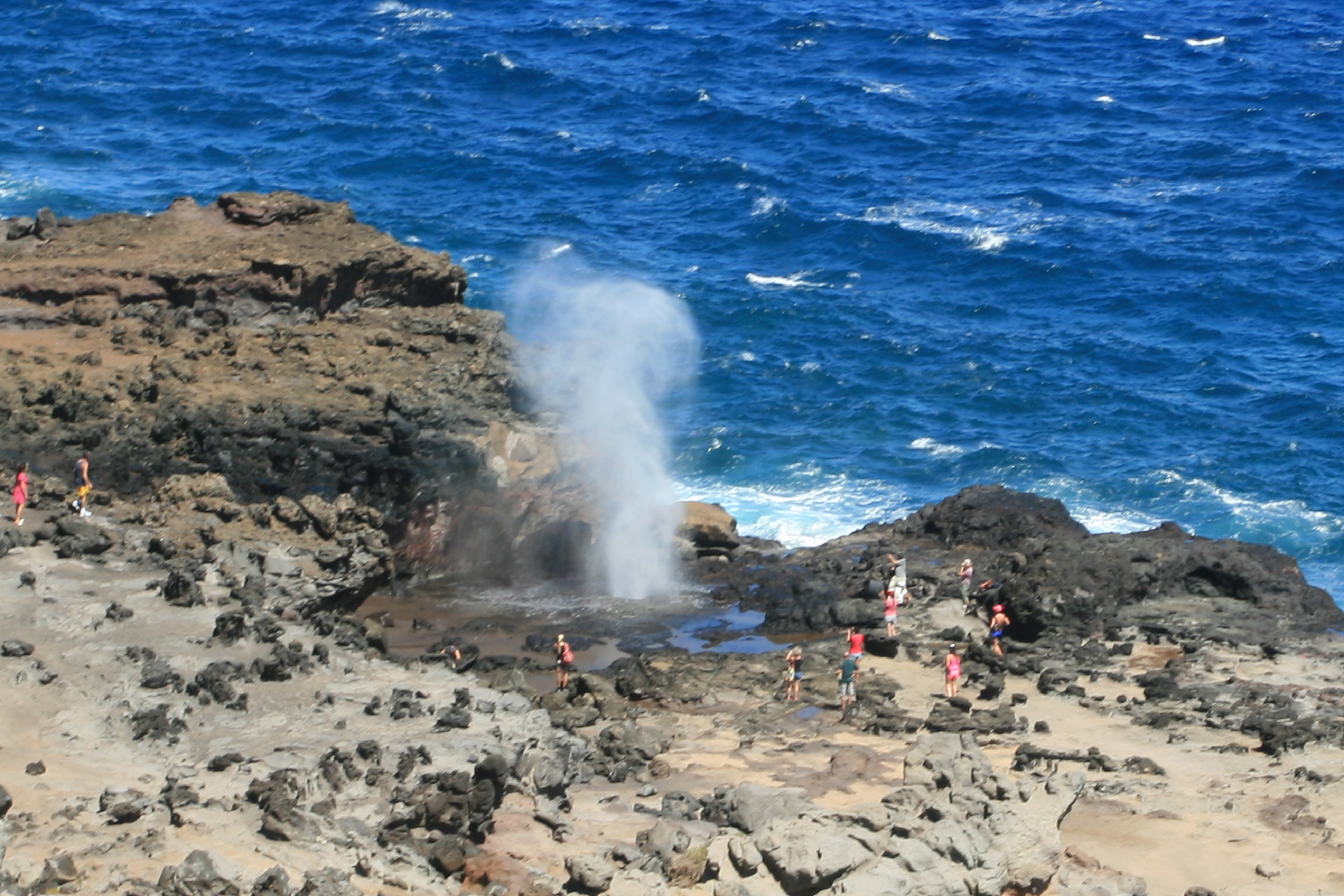
It’s not far to the blowhole but good views can be had after a very short walk. For example, the pictures in this post were taken from a vantage point less than 100 yards from our car.

As you can see, many people hike down to the blowhole. Be advised, don’t go too close. In the summer of 2011, a young man on his honeymoon slipped on the wet rocks and was sucked into the blowhole. His body was never found. As a handmade sign we saw at the parking lot said: “This is not a water park.”

West Maui Snorkeling – Honolua Bay

There’s so much good snorkeling not far from Maui Vista (see South Maui Snorkeling – 3 Favorite Spots), why drive an hour to Honolua Bay? There are plenty of reasons. First of all, Honolua Bay is a spectacular snorkeling spot. In addition, there are lots of other fun things to see and do in West Maui. For example, the Nakalele Blowhole is just another 10 minutes down the road past Honolua Bay.

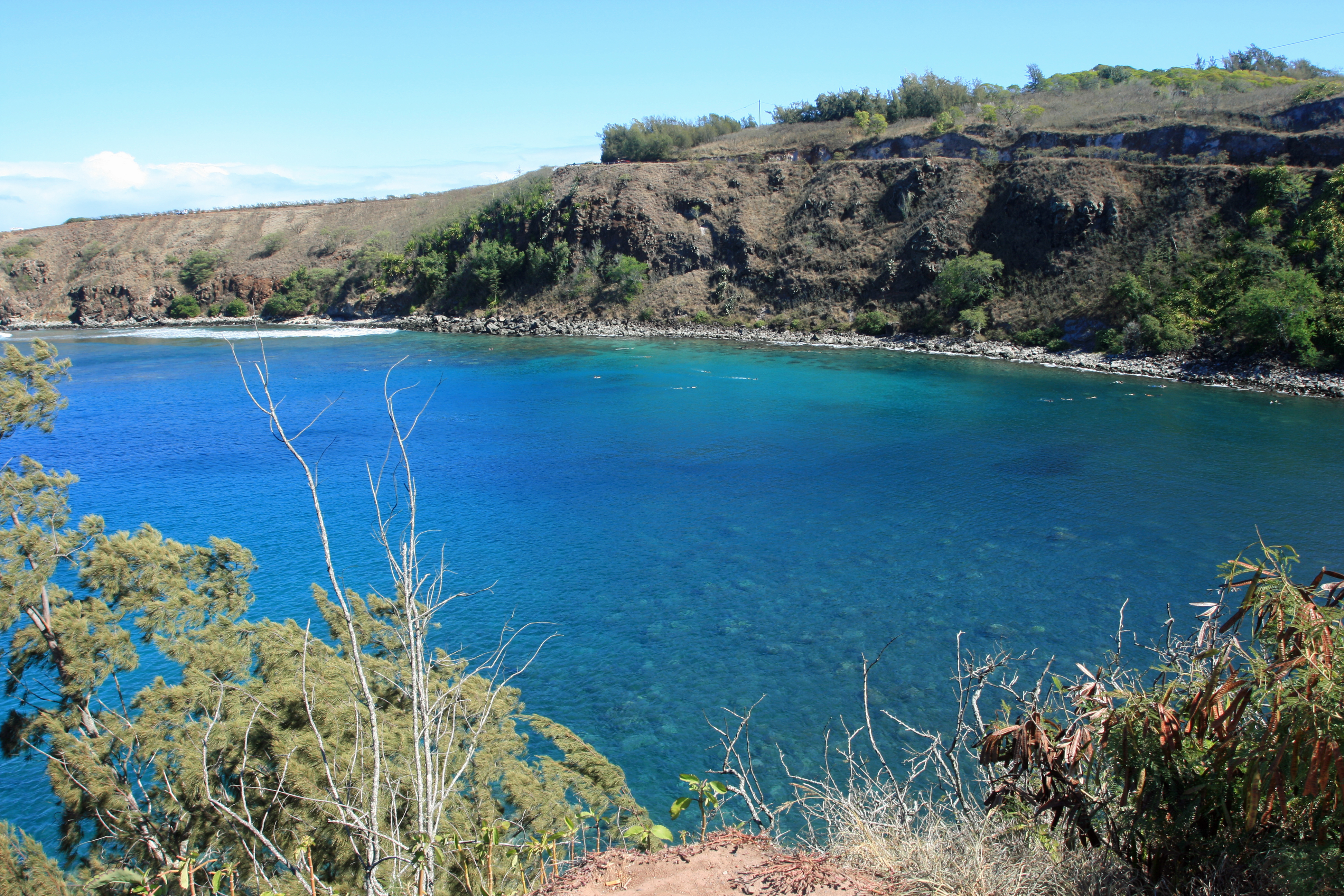
Honolua Bay from the Highway 30 overlook

To get there from Kihei, head north on South Kihei Road or the Pi’ilani Highway and follow the signs to Lahaina. Continue north on Highway 30 through Lahaina, Ka’anapali, and Kapalua. When the road narrows and slows for tight, blind curves, you’re almost there.

Stop at the overlook (pictured above) and check out conditions and the best snorkeling spots. (If you click on the picture and blow it up you can see snorkelers and areas with coral – that’s where you want to be.) If the surf’s up, the snorkeling won’t be good – but there will be surfers to watch. You can watch from the overlook or, better still, drive around the bay and turn left onto the dirt road high on the other side side of the bay. Find a  parking spot and walk out for the best views (see Surfing the Big Water at Honolua Bay).

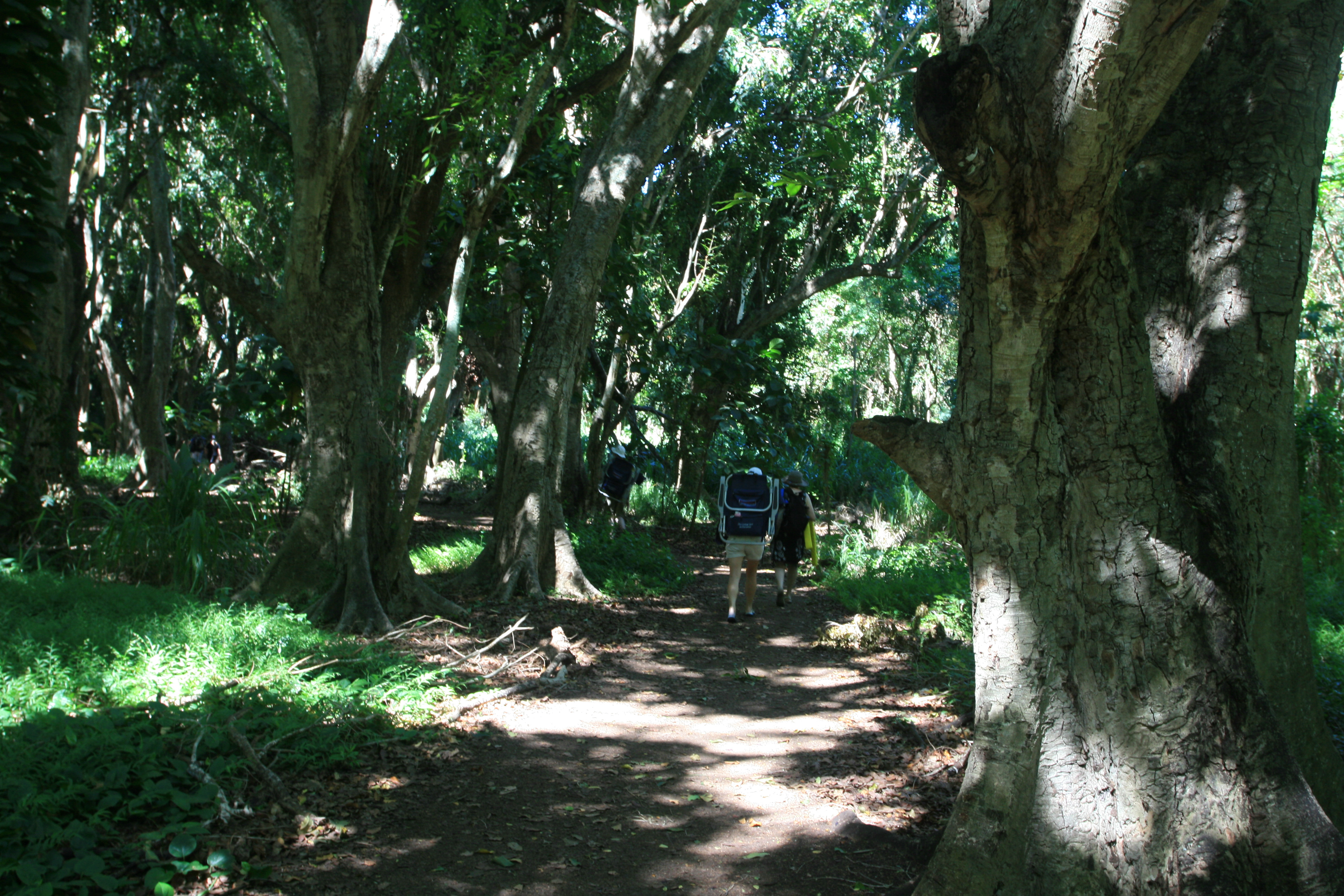
Trail to Honolua Bay

For snorkeling, drive to the bottom of the hill and look for a parking spot. If you don’t see one at first, keep driving – there are several other areas where people park. You’ll find a trail near each parking area. All trails end up at more or less the same place.

It’s a pleasant, but surprisingly long, walk to the water through a shaded grove. People do it in flip-flops, but a sturdier sandal or shoe is recommended.

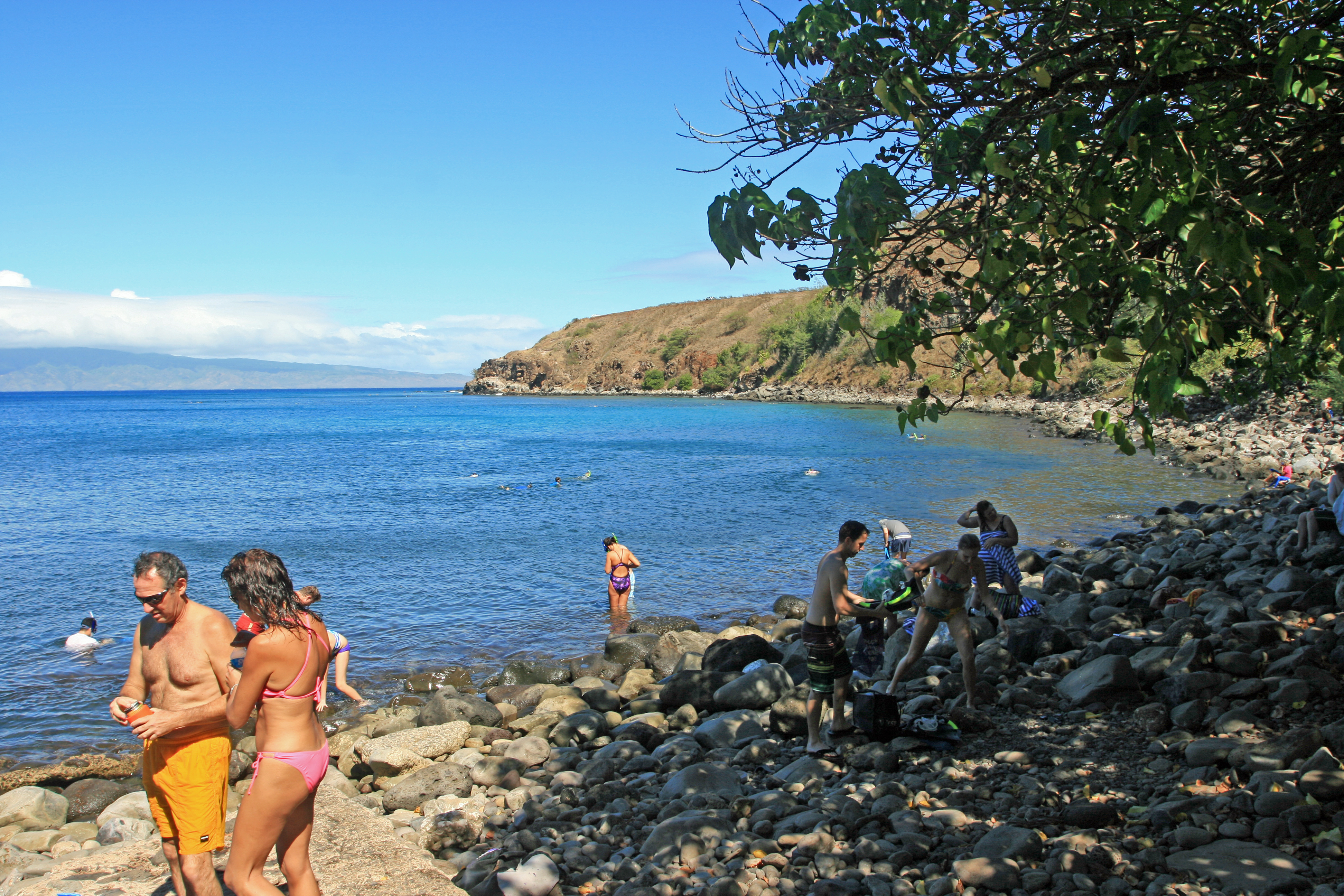
The beach itself is rocky with few places to even put a beach chair. There are no restrooms, no water, no garbage cans, no nothing – except begging chickens and great snorkeling.

The wet and sometimes slimy rocks near the shore are slippery. Lots of people get in from an old broken boat ramp that the two people on the left side of the accompanying picture are standing on.

Most people snorkel on the right side of the bay, but there is plenty of coral on the other side as well. It’s a fairly long swim before the viewing gets good. If you’re not a strong swimmer, you might want to take a boogie board or a noodle. At first the coral and fish are mainly close to the shore on the right. As the coral gets denser you’ll see it expand out toward the middle of the bay. Explore this area to your heart’s content.

A word to the wise: several large snorkel boats anchor at Honolua Bay around mid day. If you want to miss the crowd in the water, go early. If they’re there when you are, just remember that they’re paying the big bucks while you’re getting the same views for free. Enjoy!

Cafe O’Lei – Highly recommended

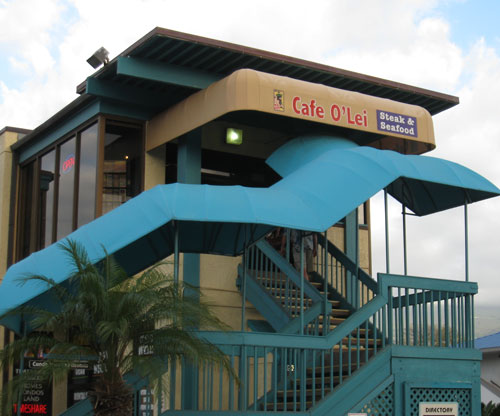
Café O’Lei sounds Mexican, but tastes Hawaiian. This restaurant is an easy walk from Maui Vista 2418 and wow is it good! You’ll find it across the street from the Royal Mauian, between Kameole Beach Park I and Kameole Beach Park II. It doesn’t look like much from the outside, but inside it is elegant and comfortable. Be aware the lunch hour can be quite loud. Dinner was more subdued.

Cafe O’Lei from South Kihei Road

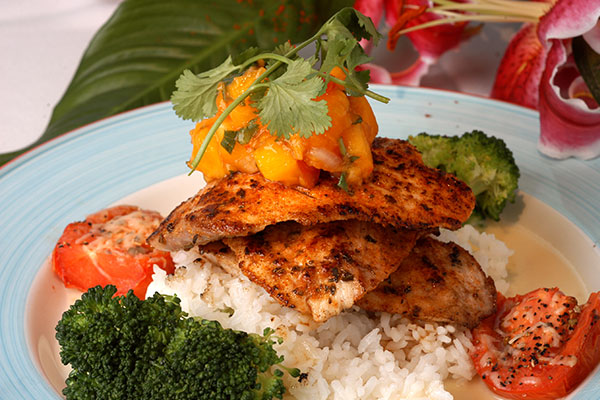
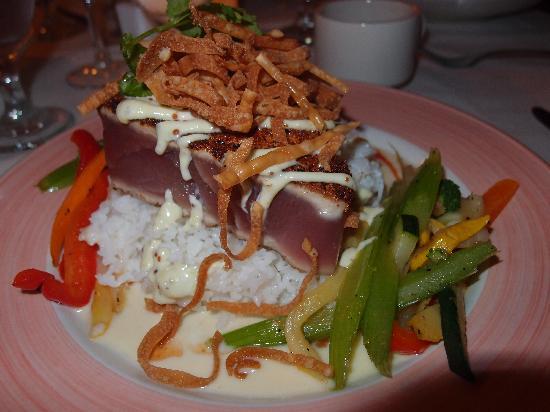
Although the menu might look a little pricey at first, the delicious portions are generous and include salad, main course, steamed veggies and rice. Kathy’s blackened Mahi Mahi was enough for her dinner and two lunches the next day. Chris managed to finish his seared Ahi which was also worth writing home about. Café O’Lei is known for their coconut/macademia chicken, so we plan to try that next time.

Blackened Mahi Mahi at Cafe O’Lei

Seared Ahi (they’ll cook it the way you like it)

Coconut/Macademia Chicken

The refreshing cocktails are original, yummy and only $7 each. We were too full for dessert.

We highly recommend Cafe O’Lei!

Haleakala – Into the Crater (The Halemauu Trail)

Near the trail head

Dust in our eyes from the Sliding Sands Trail blew us off the top of Haleakala. We decided to try our luck with the Halemauu Trail.

The parking lot at the trail head is clearly marked just below the 8,000 foot level. We were greeted by a couple of overly friendly Nene. The composting toilet at the parking lot was spotless the day we were there – hand sanitizer and everything.

Approaching the crater

The first part of the hike is gently downhill through native scrub. While still a little windy, it was much more pleasant than at the top of the mountain – no dust and occasionally a little shade.

The steep part

The first approach to the crater’s edge is spectacular if somewhat daunting. The switchbacks in the photo below descend almost 1,000 feet to the valley floor. Click on the photo to enlarge and zoom in on it.

While not as common as on the Sliding Sands Trail, people ride horses up and down those switchbacks.

The round trip from the parking lot to the Holua Cabin on the valley floor is an arduous 8 miles. It can easily take 4 to 5 hours. Bring food and plenty of water. As with anywhere at higher elevations on Haleakala, bring layers of clothing. It can get very cold.

You’ll also want to bring your camera. The views of the Ko’ olua Gap and crater interior are spectacular.

For an easier hike with all sorts of amazing views, take the one mile hike to the end of the ridge jutting out into Ko’ olua Gap. We stopped there for a picnic lunch.

On top of the world

Click here to see our blog on the Sliding Sands Trail.

Kite Beach – a good day to fly

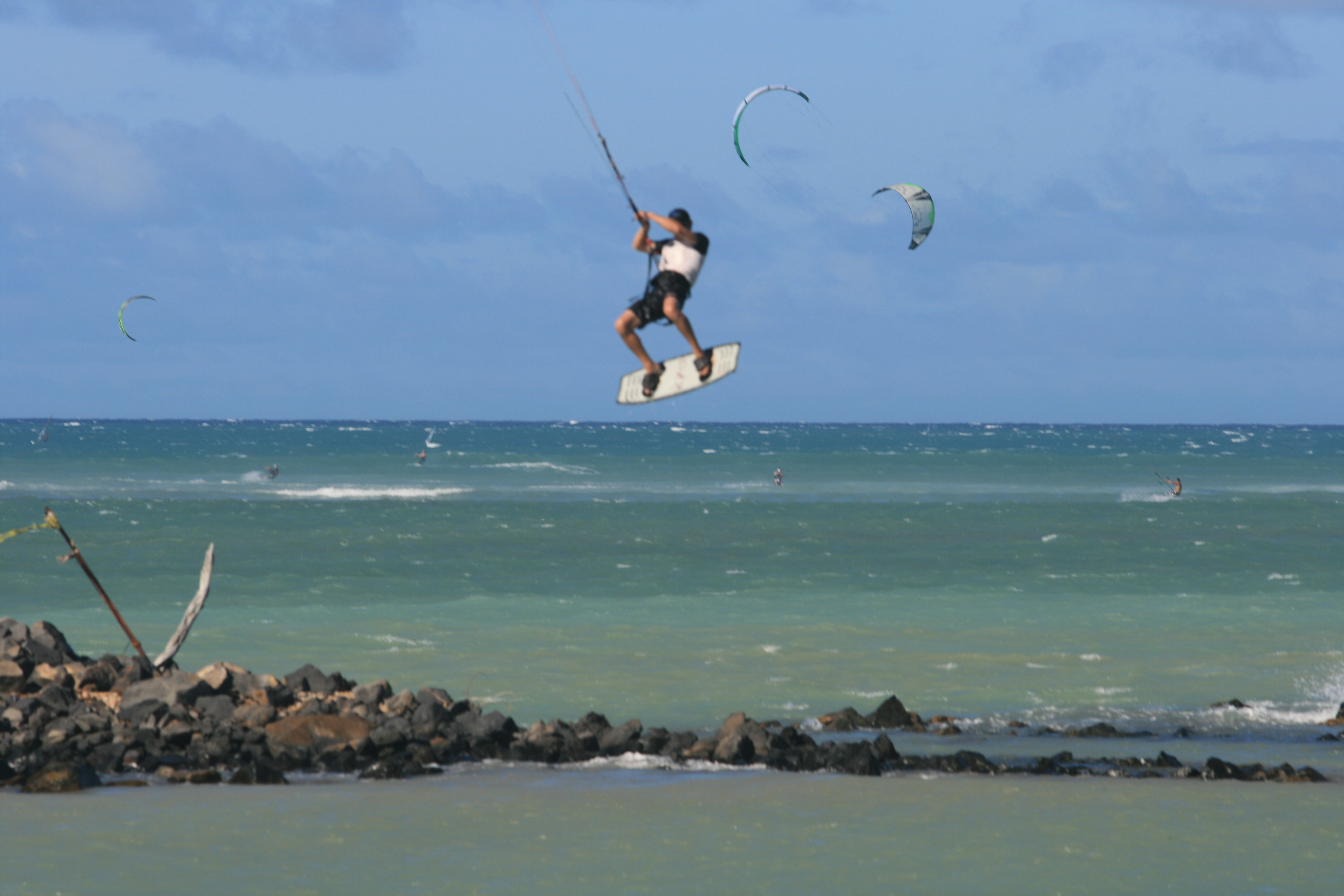
Taking off

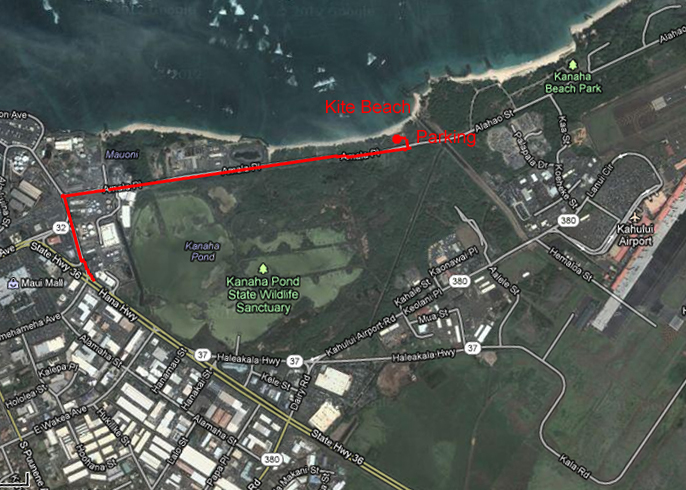
To get to Kite Beach, located on Maui’s north shore in Kahului, you drive through an industrial area and past the waste water treatment plant. It’s not your average tourist destination. (See map below.)

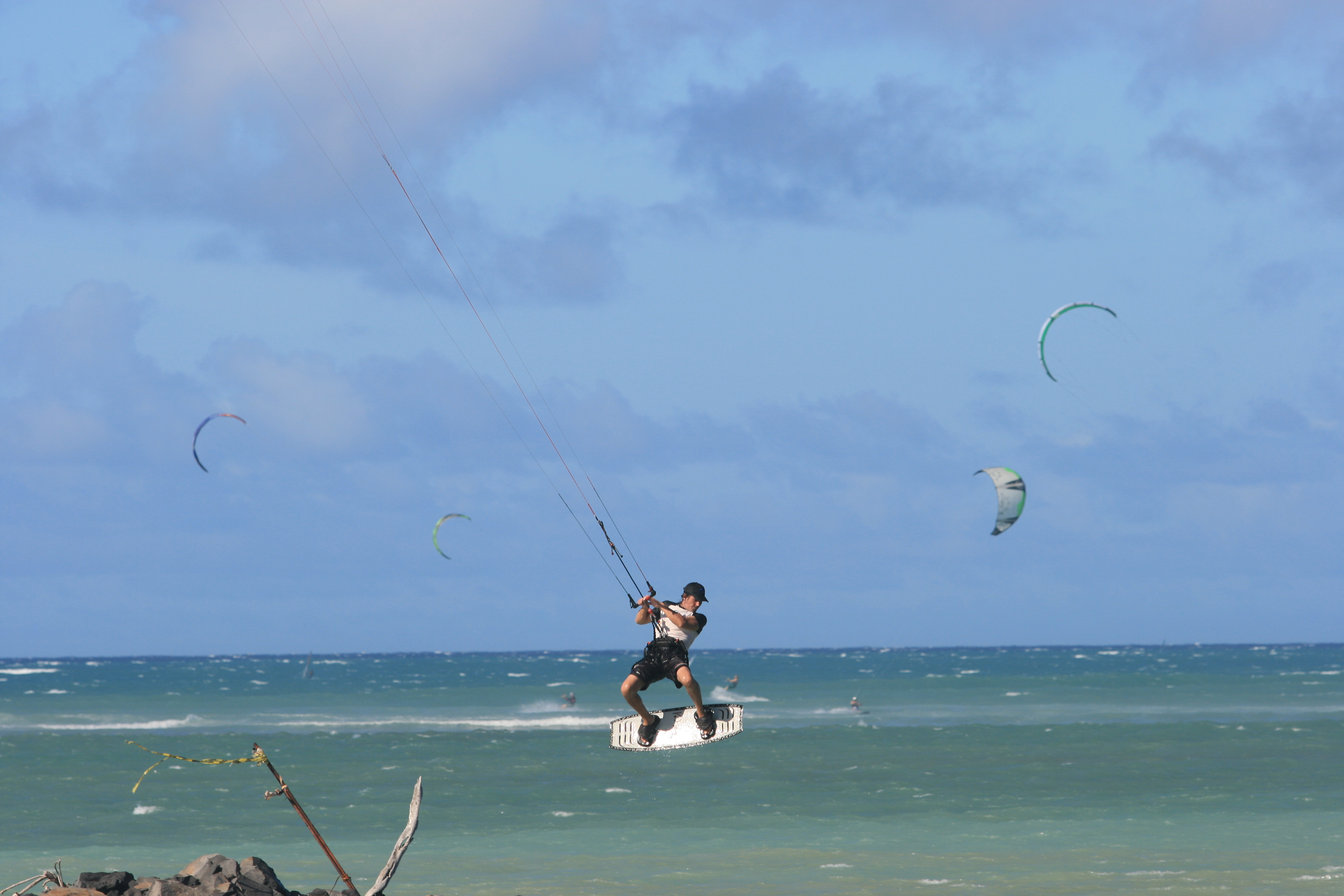
When there’s a steady wind, that’s where the kite boarders go. On a good day the sky is full of kites. We’re not talking flying kids kites here; these kites will fly you.

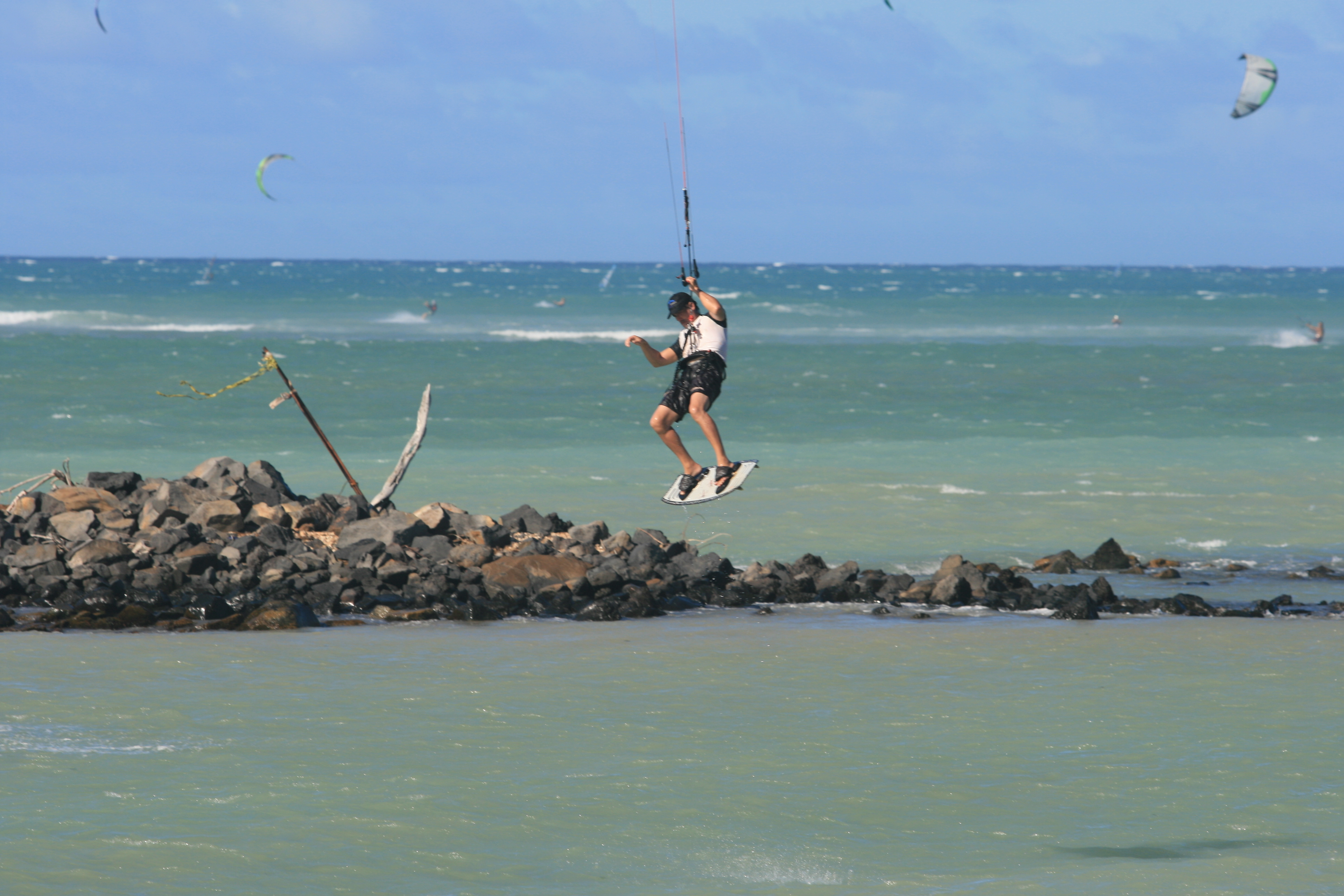
Flying high

It’s a big beach. Beginners, and those who are more tentative, work their skills at the west end of the beach. If you’re ambitious you can even take a lesson there.

Those who know what they’re doing board, and fly, at the east end of the beach – right in front of the small dirt parking lot.

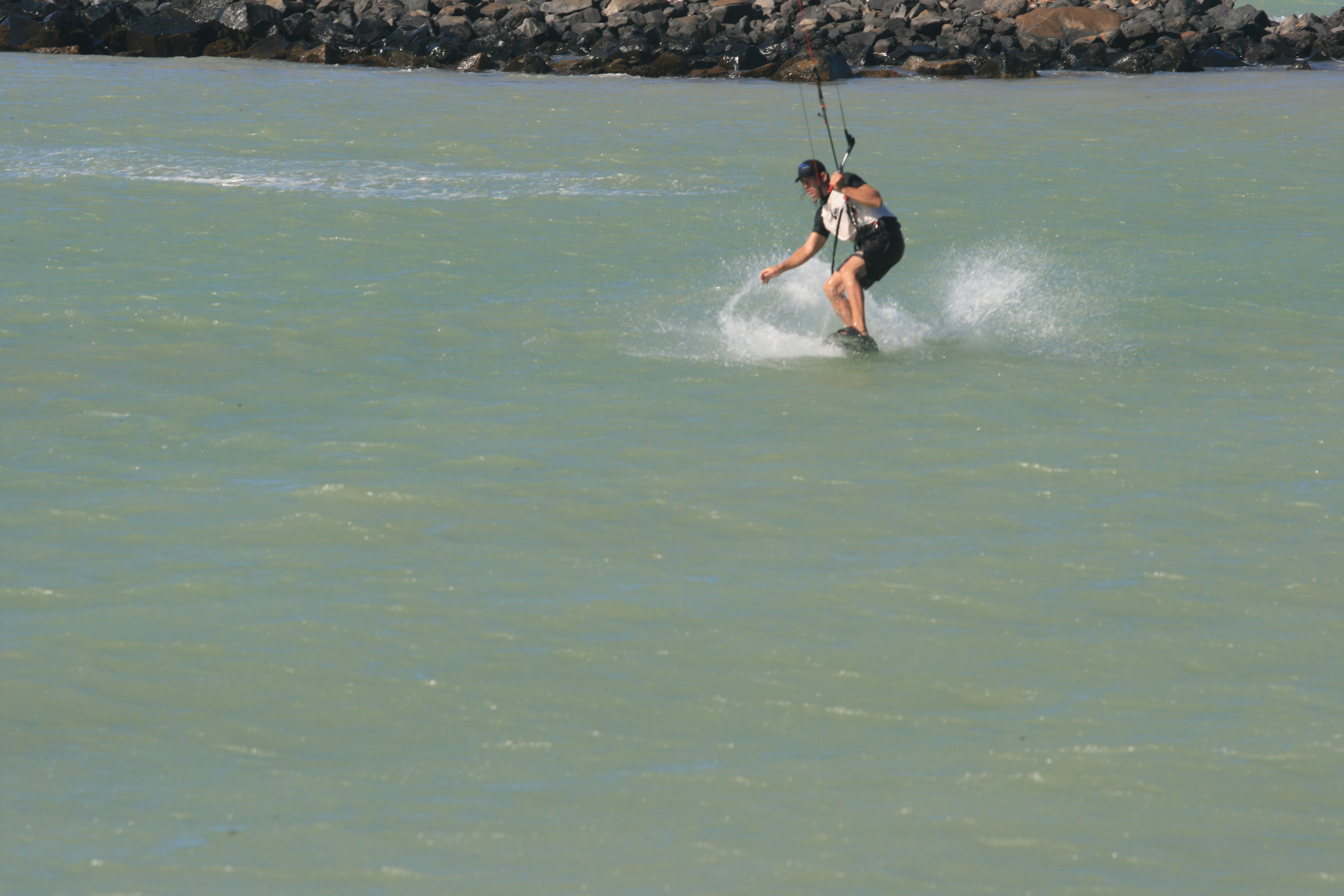
Coming in for landing

The protocol for kite boarders is to travel in a big clockwise circle; sometimes coming close to shore and turning back way out at sea. This keeps lines from crossing. Since lots of boarders are skimming across the waves at speeds in excess of 20 mph, an abrupt stop would not be good.

The best kite boarders catch air. BIG AIR. The fellow in these pictures probably reached 20 feet vertical and flew 100 to 200 feet.

Touchdown

Then he stuck it. He, and several others that morning, did it over and over again.

It’s great entertainment. The best tricks are done close to shore.

To get to Kite Beach from the south, head toward the airport on Dairy Road. Turn towards the West Maui Mountains on the Hana Highway then follow the map below.

Map to Kite Beach

Dale Zarrella’s Damien taking shape

We’ve written about Maui artist Dale Zarrella in this blog before. (See Maui Artist Dale Zarrella at Work, Frank Lloyd Wright and the King Kamehameha Golf Club, and Dale Zarrella and Helper Create a Vision in Sand.) His koa wood sculpture of Father (now Saint) Damien is entering the polishing phase. Saint Damien, “the Apostle of the Lepers” was canonized in 2009 for his work in the 19th century caring for those quarantined in the leper colony on the peninsula of Kaluapapa on the Island of Moloka’i.

If you look closely at the picture below, Damien has his hand on the shoulder of a young child. Next to Damien’s shoes you can see the child’s toes sticking out beneath the robes that hide his leprosy ravaged body.

Zarrella often works with large blocks of monkeypod but chose the the harder koa wood for Damien because “he was a tough old bird.”

Dale Zarrella’s Saint Damien – September 2012

As we’ve noted before, Zarrella works outdoors overlooking the sea at the north end of Charley Young Beach. He began this piece with a plaster study, about one-quarter life size. A bronze cast from the study now resides in the Vatican Museum in Rome. This life sized sculpture is destined for the Damien Museum in Honolulu.

Haleakala – The Night Sky

The Milky Way above Mount Haleakala. Photo by Wally Pacholka as seen in mauimagazine.net

It’s said that a large percentage of the American population has never seen the Milky Way – especially young people. It’s just too bright at night in the urban/suburban areas where they live. Of all the generations of mankind that have ever lived, this is a recent, and somewhat sad, phenonmenon.

Fotunately, this is not a problem on Maui. Go anywhere on the island on a clear night where there are no bright lights shining in your eyes and, in the summer,  you can see the milky river of light of the Sagittarius arm of our spiral galaxy slicing across the sky or, in winter, the somewhat dimmer Perseus arm. (In the northern hemisphere in summer, we look toward the center of our galaxy; in winter in the opposite direction toward deep space. That’s why the Milky Way looks brighter in summer.)

In the photo above (which I wish I could say I took), Jupiter shines brightly below the arc of the galaxy disk. This is a time elapse photograph, so the Milky Way won’t look as bright to the naked eye; but it still will impress.

The best (and coldest) views of the stars on Maui are from the top of Mount Haleakala. There are serious research telescopes on top of the mountian – not like the world-class telescopes of Mauna Kea on the Big Island, but impressive nontheless. You can’t look through the big scopes, but you can look with your naked eye or, if you have them, binoculars or a small telescope. Even small binoculars will reveal a wonder of stars and (if you know where to look or are just plain lucky) other wonders of the night sky. Even people with very ordinary night vision can see the Andromeda Galaxy with their naked eye,  2.5 million light years away! With binoculars, other galaxies, ghostly nebula,  the moons of Jupiter, and brilliant star clusters await those with patience and a little knowledge or luck.

If you’re out on a clear dark night on Maui, stop somewhere dark and look up. You won’t be disappointed.

See our other posts on Haleakala titled Haleakala – The House of the SunHaleakala – Come Prepared, and Haleakala – Into the Crater.

Haleakala – Into the Crater (The Sliding Sands Trail)

Horse back riders on the Sliding Sands Trail

There are several great trails into the Haleakala erosion crater. If you click on the picture to the right you can see a line of horses and riders ascending the Sliding Sands Trail. It’s only when you see something like this that you get an idea of the scale of the place.

While this is all explained in the Maui trail book in our condo, the trail head is a short walk around the cinder cone on the south side of the parking lot. From the start of the trail it’s 2,500 vertical feet to the crater floor – so the hike down is pretty easy. The hike up is another matter. Depending on your physical condition and how you react to the thinner mountain air, it will take 1.5 to 2.0 times as long to hike out as it takes to hike in. Keep this in mind if you’re hiking later in the day. It gets dark (and cold) fast when the sun goes down. Even in summer it can be chilly in the shadow of the west rim of the crater in the late afternoon.

Haleakala Crater – Photo by Dick Morgan

As you can see from the photos, you are entirely exposed on this trail. Use sunscreen and carry water. We generally hike with a daypack with water, snacks, extra clothing and anything else we might need.

Consider adding a hike to your Haleakala experience. If you come early for the sunrise, you can hike in and out before lunch and then enjoy a meal in the Up Country. Alternatively, if you’re not into starting your day at 2 or 3 AM so you can see the sunrise, you can hike in the afternoon and time your return to see the sunset from the top of the mountain. It’s a whole lot like the sunrise, but without the busloads of tourists and people standing five deep at the best vantage points.

Speaking of sunrise and sunset, did you know that Haleakala means “house of the sun” in Hawaiian? To find out more, click here.

For another great (but harder) hike into the crater, click here to see our blog on the Halemauu Trail.